Forging Forward: Hope, Fortitude, and Renewal in Appalachia - that’s what we’re gathering for in April. But before we look ahead, it’s worth pausing for a moment to look back.
The truth is, we wouldn’t be able to talk about the future of this region without the Appalachian women who carried it this far. Women who organized and advocated. Women who told stories and made music. Women who held families and communities together through good seasons and hard ones alike.
Author Cassidy Chambers Armstrong captures that spirit in Hill Women: “For me, there is hope in the spirit of a people who find creative ways to exist in a community that has been systemically marginalized. In men and women who take care of each other even when the outside world does not take care of them. In people who broke their bodies in tobacco fields and coal mines to make a living in the only community they have ever known. We don’t take time to see it: the hope in the poverty, the spark against the dreary backdrop, the grit in the mountain women.”
That grits shows up everywhere in Appalachia.
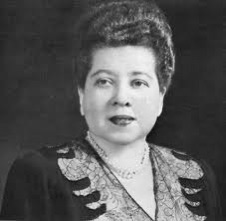
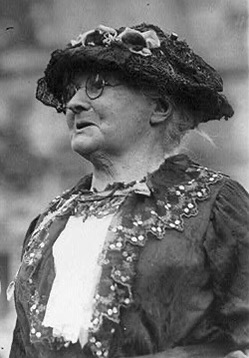
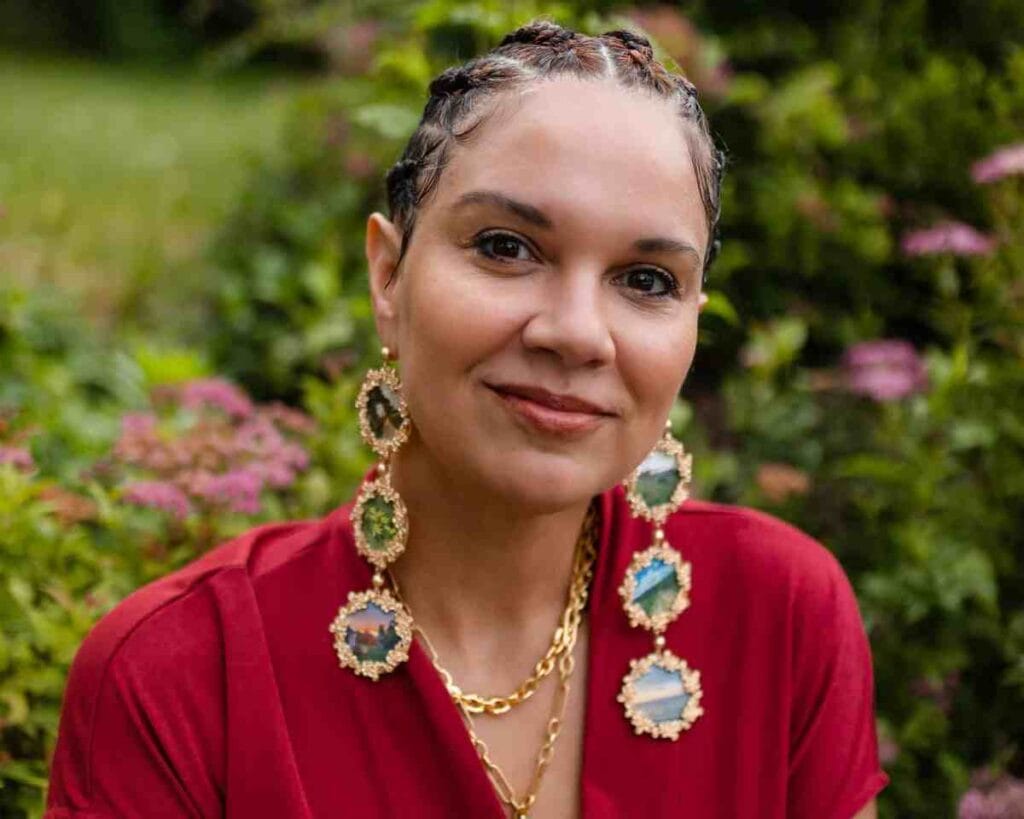
Both quietly and loudly, there are far more Appalachian women than we could ever name here - including the ones who raised us, taught us, organized our towns, ran our schools, and quietly made our communities what they are today. But we want to take just a moment to remember a few of the women whose work reflects that legacy:
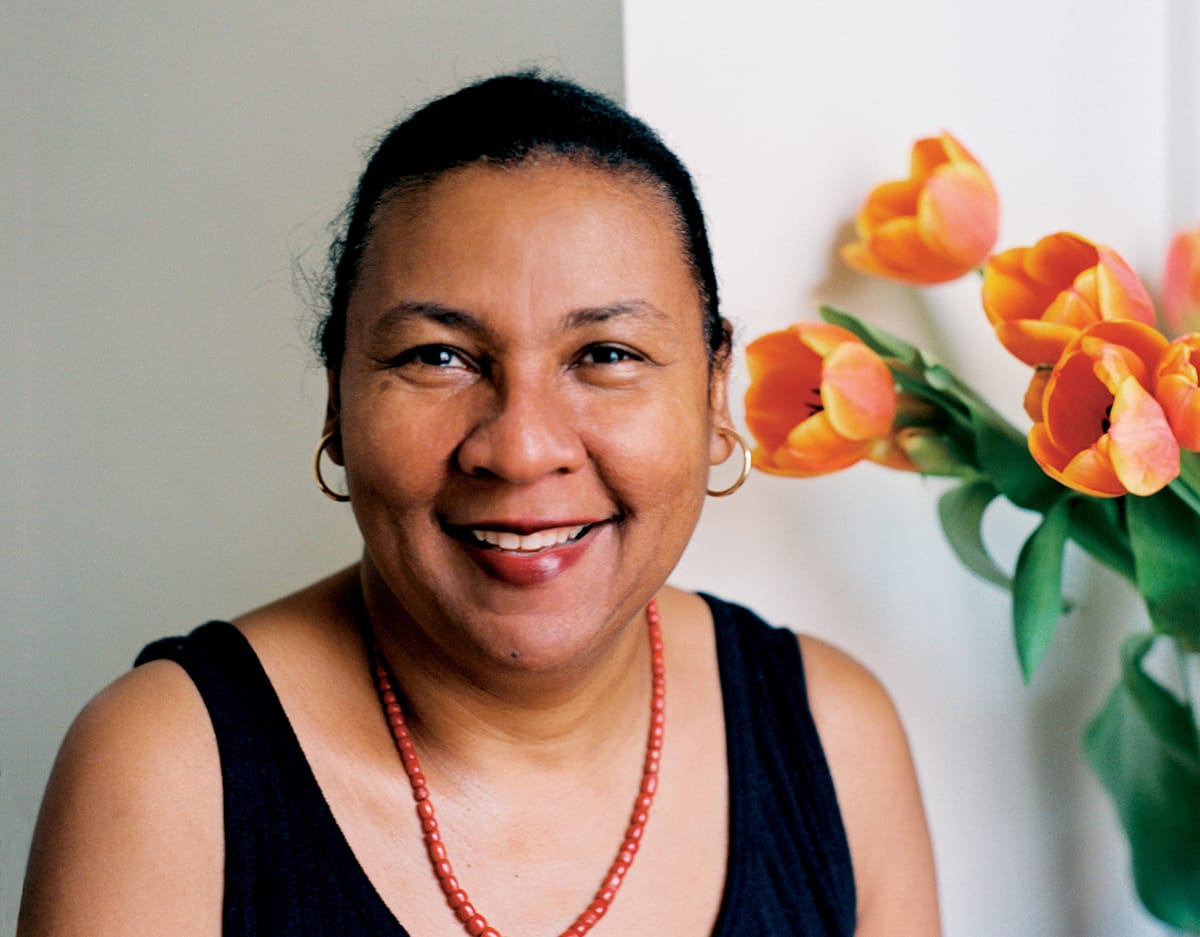
Bell Hooks, born as Gloria Jean Watkins in Hopkinsville, Kentucky, was an American author, professor, feminist, and social activist. The focus of hooks’s writing was to explore the intersectionality of race, capitalism, gender, and what she described as their ability to produce and perpetuate systems of oppression and class domination.
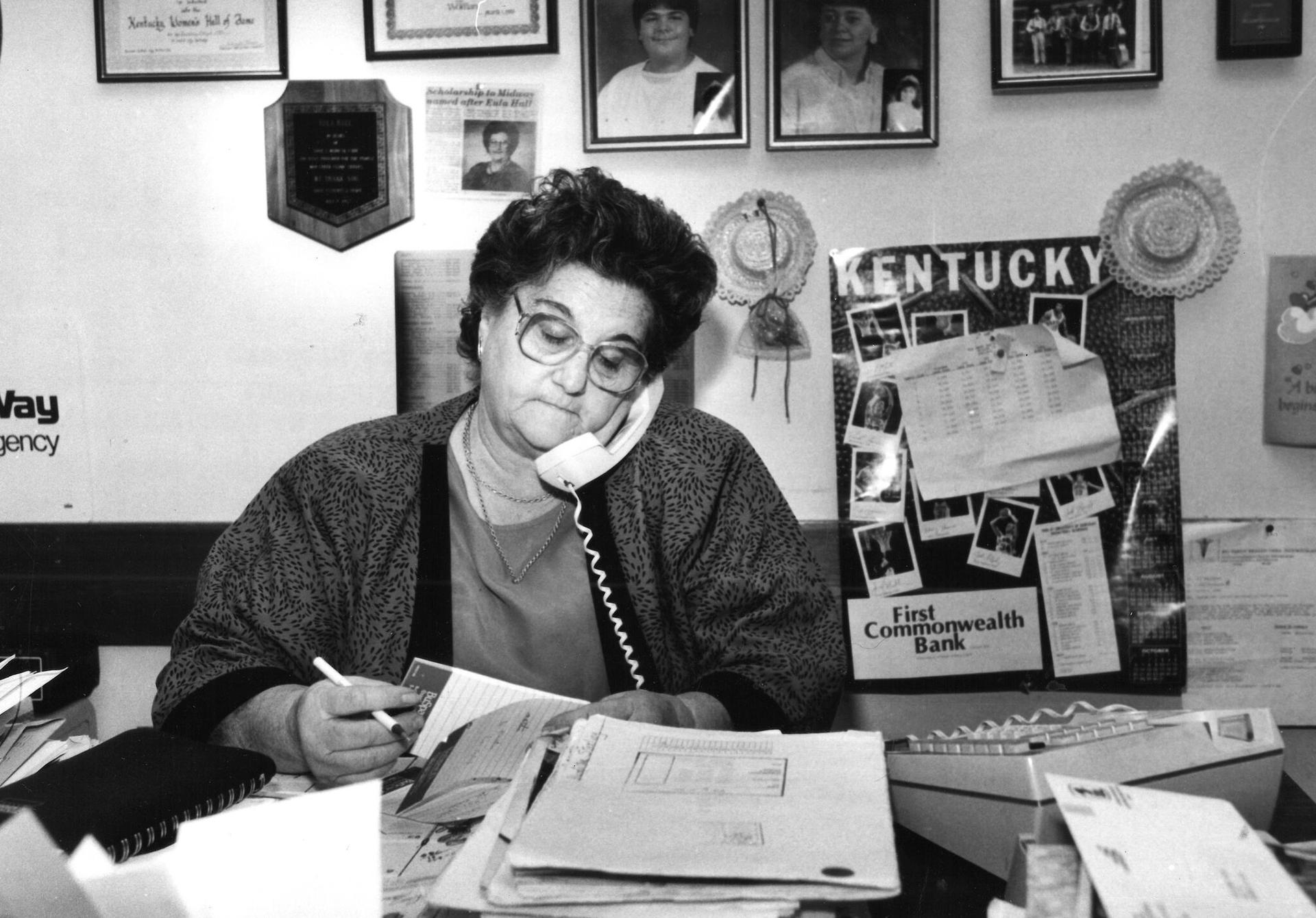
Eula Hall, a nurse and community organizer from Floyd County, Kentucky, helped build the Mud Creek Clinic after witnessing the barriers Appalachian families faced in accessing healthcare. Her work and life show how local leadership can create life-saving institutions in overlooked places.
Helen Lewis, a labor educator and grassroots organizer in Harlan County, Kentucky, spent decades supporting women, workers, and families fighting for opportunity and self-determination in the mountains through her work with the Highlander Center and the Appalachian Women’s Rights Organization.
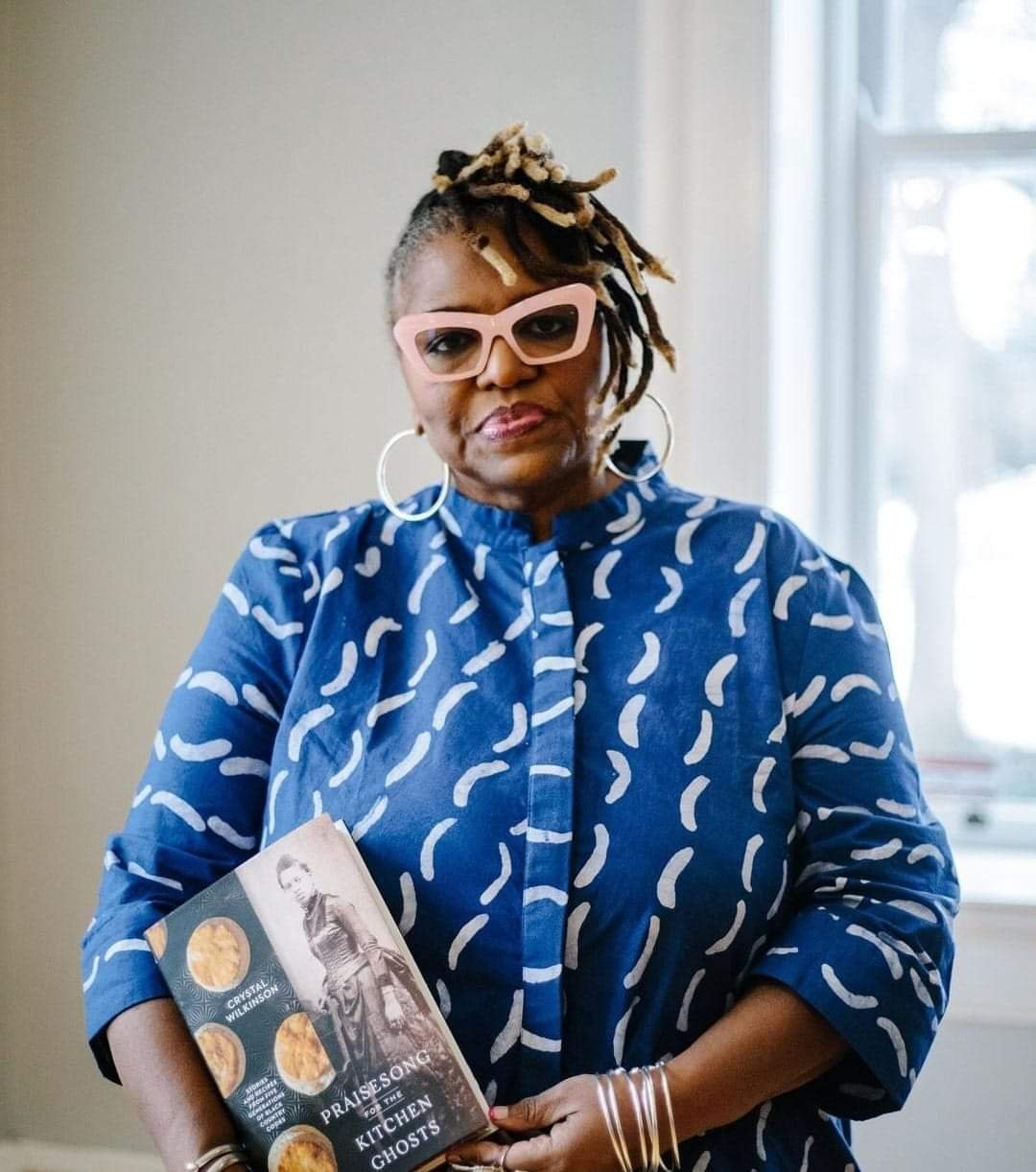
Crystal Wilkinson, Kentucky’s former Poet Laureate, has spent her career bringing the stories of Black Appalachian life to the page with honesty, beauty, and pride.
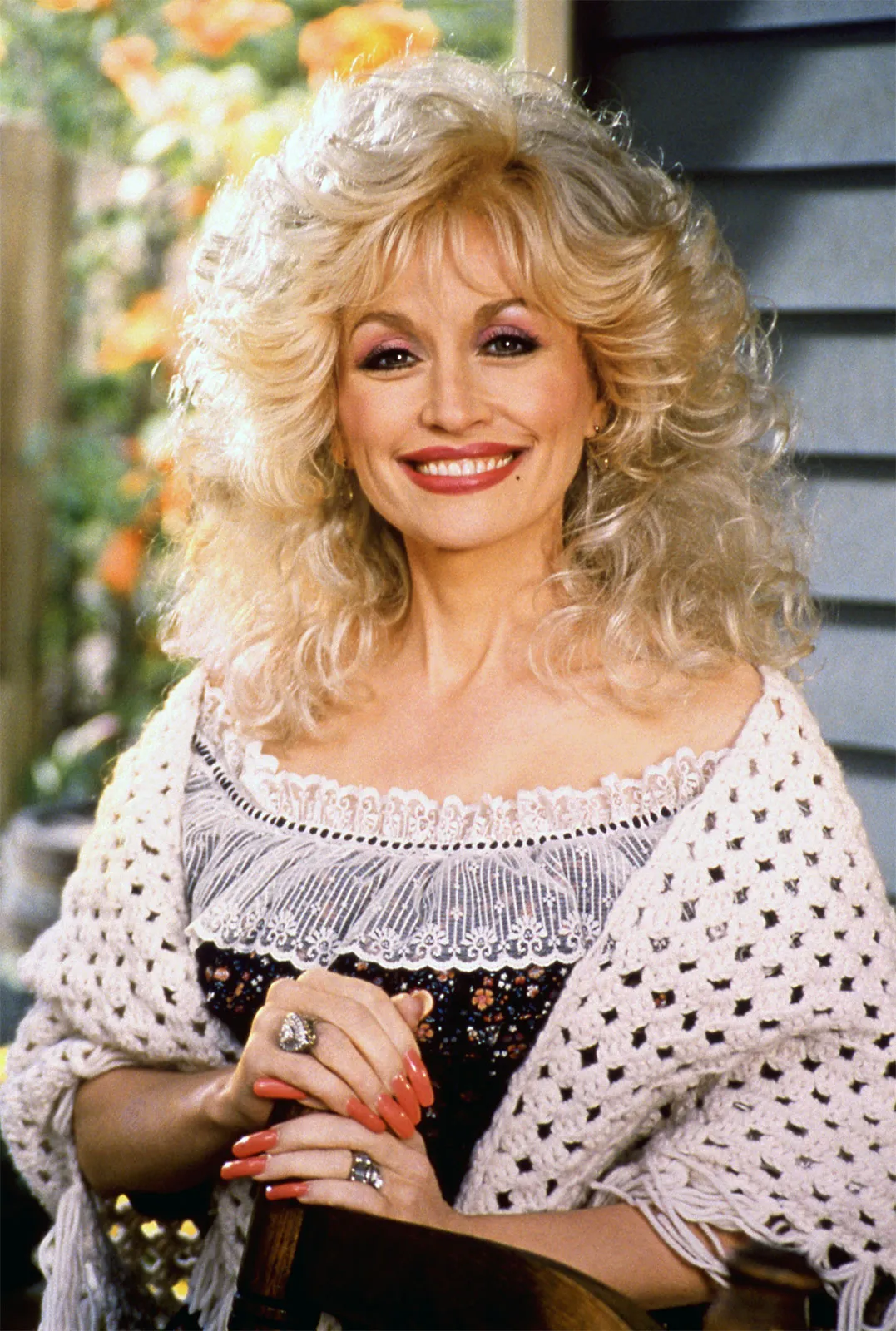
Dolly Parton, raised in the Smoky Mountains of Tennessee, has shared Appalachian stories with the world through music while giving back through efforts like the Imagination Library, which has put millions of books into the hands of children.
Minerva Bernardino, who spent part of her childhood in Appalachian Virginia, went on to become one of only four women to sign the United Nations Charter in 1945, advocating for women’s equality and helping shape international human rights language.
Mother Jones, often called “the most dangerous woman in America,” organized coal miners throughout the Appalachian coalfields and helped lead one of the most important labor movements in the country’s history.
And Crystal Good, a West Virginia poet and founder of the Black Appalachian Archives, continues the work today - preserving and amplifying the stories of Black Appalachians and expanding how the region understands its own history.
Appalachian women come from many stories and traditions - Cherokee artists preserving centuries-old practices, Black Appalachian writers reclaiming overlooked histories, labor organizers fighting for dignity in the coalfields, and poets, musicians, and community leaders shaping how the region understands itself.
From labor organizers like Mother Jones and Florence Reece, to storytellers like Lee Smith and Crystal Wilkinson, to cultural icons like Dolly Parton and Loretta Lynn, Appalachian women have long shaped the voice, culture, and imagination of this region. Appalachian women are what give our region the fortitude to keep forging forward.
You can read more about the legacy of women in Appalachia here.