
Member Spotlight: Hope in the Hills
What is the story of how Hope in the Hills came to be? How has the mission has evolved over time?
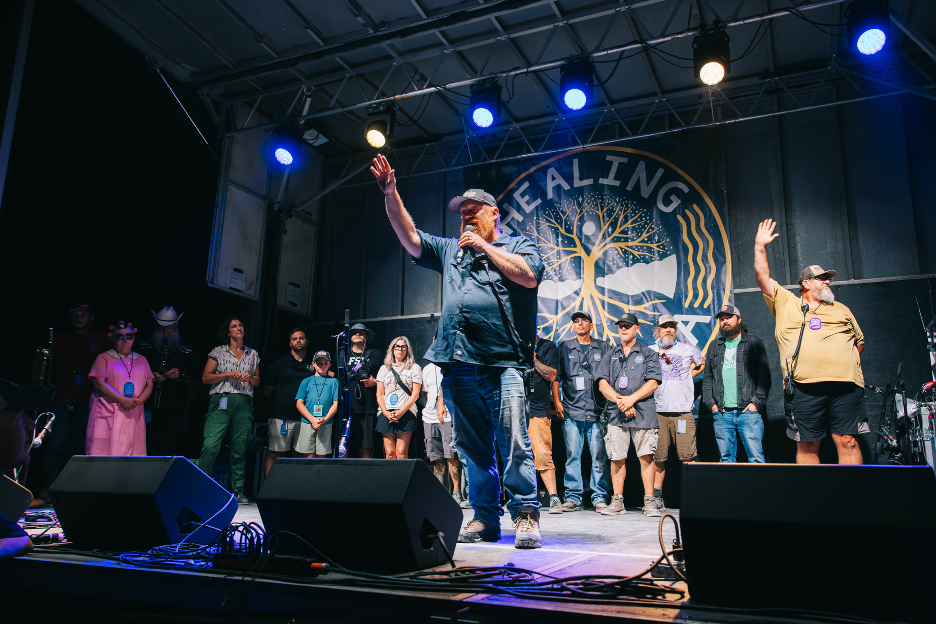
Hope in the Hills was founded in response to the devastating impact of the opioid epidemic across Appalachia. What began as a grassroots effort rooted in music, recovery, and community has grown into a year round nonprofit organization focused on long term recovery support, workforce development, harm reduction, and healing centered community investment.
The organization was founded by Charlie Hatcher and Ian Thornton through the creation of Healing Appalachia. They were tired of watching friends and members of their community lose their lives to overdose and decided it was time to do something meaningful to help change the trajectory of Appalachia’s addiction crisis.
Healing Appalachia was created to reduce stigma, bring people together, and raise resources for real solutions across the region. Over time, it became clear that the festival was more than an event. It became a catalyst for sustained impact and regional collaboration.
Today, Hope in the Hills reinvests proceeds from Healing Appalachia back into Appalachian communities through community grant awards that support long term recovery programs, music therapy and education, workforce initiatives, naloxone distribution, recovery ecosystem partnerships, and innovative programs designed to create and strengthen linkages to care.
Our mission has evolved from raising awareness to actively helping build infrastructure for recovery and healing throughout Appalachia.
What recent accomplishment are you most proud of that reflects your mission?
One accomplishment we are especially proud of this past year has been the launch of the Giving Appalachia monthly giving club through Hope in the Hills.
Through this initiative, supporters make monthly contributions that go directly toward providing recovery housing scholarships for individuals in need across Appalachia. Since launching the program in September, Hope in the Hills has helped provide more than 190 recovery housing scholarships, helping individuals access safe, stable, and recovery supportive living environments during critical stages of rebuilding their lives.
The program reflects what our mission is truly about. It is not just raising awareness around addiction and recovery, but helping create real pathways to stability, healing, and long term recovery for people across the region.
This past year also marked the largest reinvestment effort in our organization’s history, with more than $600,000 distributed back into Appalachian communities through grants, recovery initiatives, workforce development, harm reduction efforts, and community partnerships.
Seeing this level of impact and collaboration continue to grow across Appalachia gives us tremendous hope for what is possible moving forward.
Can you share a story that captures the impact of Hope in the Hills - a moment, interaction, partnership, or outcome that reminds you why this work matters?
One of the most meaningful developments for Hope in the Hills over the past year has been the launch of ReStage Appalachia, a recovery to workforce initiative created to help individuals in recovery build sustainable careers within the live event and entertainment production industry.
What makes this initiative especially meaningful is how organically it came together through partnership and shared belief in the mission. Early support from the Matthew Perry Foundation helped provide the initial infrastructure needed to begin building the program and turning the vision into something tangible. From there, strong collaborations quickly formed with Coalfield Development, Marshall University, and Recovery Point West Virginia, helping create a model that combines recovery support, technical training, certifications, mentorship, and real world workforce opportunities.
In a relatively short period of time, the program has gained tremendous momentum. New doors continue opening through conversations with production companies, live event partners, employers, and industry professionals interested in helping create employment pathways for individuals rebuilding their lives. Seeing the level of excitement and collaboration around the program has been incredibly encouraging because it reinforces something we deeply believe. Recovery is strengthened when people are connected to purpose, opportunity, community, and a pathway forward.
ReStage Appalachia has become a powerful reminder that some of the most impactful recovery solutions are not built in isolation. They are created when organizations, educational institutions, employers, and communities come together to invest in people and their potential.
What promising but under-resourced approaches for substance use recovery, mental health, and harm reduction in Appalachia could make a transformative difference if funders stepped in now?
One of the most effective yet under resourced approaches we have seen in reducing overdose deaths is respite housing. Programs like Lauren's Wish in Morgantown provide low barrier or no barrier temporary housing for individuals who are actively seeking help but may not yet have access to treatment. In many communities across Appalachia, people are ready for recovery but do not know how to navigate the system, cannot safely return home, or are placed on waiting lists for treatment beds. Without somewhere safe to go during that window of time, many individuals return to unsafe environments, continue using substances, or experience another overdose before ever reaching care.
What makes these models especially effective is that they provide more than just a bed. They help individuals navigate recovery and healthcare systems based on their specific needs while offering peer support, resource navigation, motivational interviewing, and connections to treatment, recovery housing, healthcare, transportation, identification assistance, and other stabilization services. These programs work because they meet people where they are and help build trust during one of the most vulnerable moments in a person’s life.
We believe Appalachia needs significantly more investment in these types of immediate stabilization and linkage to care models, especially in rural communities where treatment access can be limited and fragmented. When paired with long term recovery support and strong community partnerships, respite housing can become a critical front door into recovery and a powerful tool for preventing overdose deaths.
What gives you the most hope right now?
What gives us the most hope right now is the level of collaboration and compassion we continue to see across Appalachia’s recovery community.
Since stepping into this role, one of the most inspiring things to witness has been how many leaders, organizations, peers, and advocates are approaching this work not simply as service providers, but as people deeply committed to caring for others and strengthening their communities. Across the region, we continue to see recovery organizations leading with love as the guiding principle in the way they support people navigating addiction, mental health challenges, and recovery.
A friend and colleague, Stephen Loyd, often says that “there is nothing wrong with Appalachia that cannot be fixed by what is right with Appalachia.” That sentiment deeply resonates with us because we see it every day through the resilience, compassion, collaboration, and determination of the people and communities doing this work across the region.
As a part of the Appalachia Funders Network, where do you see opportunities for funders to better support recovery and healing in the region?
My hope is that, at a time when funding for addiction recovery, mental health, and behavioral health services is becoming increasingly competitive and more difficult to secure, there will be greater opportunities for collaborative funding approaches that allow organizations to create larger and more sustainable impact together.
Some of the strongest impact we have seen happens when organizations and funders work together instead of competing for limited resources.
I believe networks like AFN create an important opportunity to strengthen regional collaboration, reduce duplication of efforts, and invest in long term solutions that build recovery infrastructure across Appalachia.
What else do funders need to know about your work and why you joined AFN?
Hope in the Hills is grateful to be a member of the Appalachia Funders Network and to be connected with so many organizations, leaders, and funders who care deeply about the future of Appalachia and the people who call it home.
Our hope is not simply to benefit from being part of the network, but to contribute more than we receive by sharing ideas, supporting partnerships, and continuing to help strengthen recovery and healing efforts across the region.
From conversation with Logan Terry, Executive Director of Hope in the Hills