
Member Spotlight: Primary Care Development Corporation
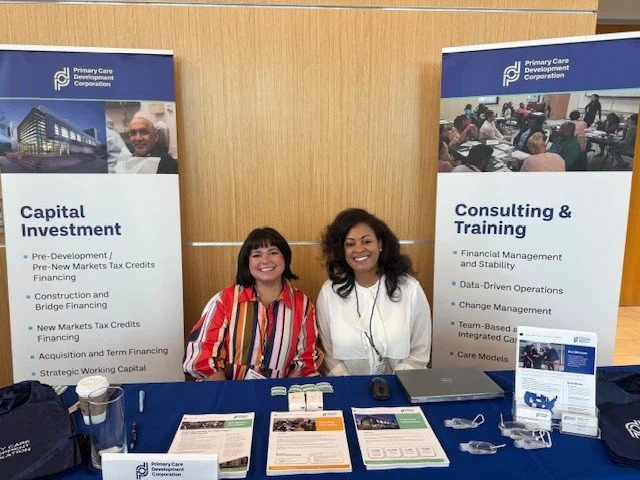
Patricia Skarlinksy and Shannon Lea
Tell us a little about the project and what inspired PCDC to partner with Dogwood Health Trust on this $10.5M initiative?
This initiative grew out of a shared recognition that Federally Qualified Health Centers (FQHCs) are essential to the health and economic vitality of Western North Carolina, but that many centers face persistent barriers to expanding services, modernizing facilities, and strengthening their financial footing. PCDC saw an opportunity to bring our national experience in primary care transformation, capital investment, and technical assistance to a region where the need is high, and local partners' commitment is strong.
For us, the inspiration was simple: Dogwood understands the unique context of WNC, and PCDC understands what it takes to build resilient primary care infrastructure. Together, we can accelerate improvements that neither organization could achieve alone.
Why are Federally Qualified Health Centers such an important piece of the health infrastructure in rural places like Western North Carolina?
FQHCs are often the backbone of care in communities and serve as a cornerstone of care in rural communities, offering comprehensive primary care regardless of patients’ ability to pay. They provide behavioral health, dental, and other essential services, while also supporting local jobs and economic stability. With their culturally competent, community rooted approach, FQHCs are trusted entry points for individuals who may be uninsured, underinsured, or historically marginalized. In regions like WNC, where geography, transportation, and workforce shortages create real barriers, FQHCs are not just providers. They are lifelines.
What does this collaboration provide that was previously missing? (access to capital, technical assistance, strategic support?)
This partnership intentionally blends capital, technical assistance, and strategic planning support, a combination that is rarely available in rural markets. Specifically, the collaboration offers flexible, affordable financing for facility expansion, renovation, and infrastructure upgrades, and hands-on technical assistance to support financial planning, operational improvement, and long-term sustainability.
From the lending side, we’re able to offer terms and structures that traditional lenders often cannot. From the program side, we’re helping FQHCs strengthen their capacity so they can confidently take on growth. This “capital + capacity” model is what makes the initiative transformative.
Are there innovations in financing, capacity-building, or elsewhere in this project that you hope will be replicated and that other regions should pay attention to?
One of the things we’re most excited about is how this project brings together capital and capacity building in a really intentional way. FQHCs often get one or the other, but rarely both at the same time. By blending flexible financing with hands-on technical assistance, we’re helping FQHCs take on projects they might not have been able to pursue. Our approach is community-centered, and we hope others will replicate because it truly meets organizations where they are.
What difference will this investment make for patients and families in WNC?
This investment will directly enhance patients’ experiences by expanding access points closer to home, modernizing facilities to deliver high quality, dignified care, and strengthening health centers so they remain stable through economic and policy shifts.
What gives you the most hope right now?
For us, hope comes from the energy and commitment we see on the ground. FQHC leaders in WNC are visionary, resilient, and deeply connected to their communities. Dogwood Health Trust is investing not just dollars but trust and partnership, and PCDC is bringing national expertise to a region ready to leverage it. When philanthropy, mission driven lenders, and community providers align around a shared goal, the possibilities expand dramatically.
What should other funders in AFN’s network (or beyond) pay attention to with this project?
A few key lessons rise to the top: capital alone is not enough, pairing it with technical assistance creates lasting change; understanding local context is essential, as regional funders like Dogwood are uniquely positioned to catalyze system level improvements; investing in primary care also fuels economic development; and, ultimately, cross sector collaboration is what accelerates impact.