
Member Spotlight: Self-Help Credit Union
Self-Help has been working for the past 45 years to create equitable opportunities in the region, particularly around affordable housing. As communities work to strengthen local economies, expand opportunity, and ensure that people can continue to call the region home, the North Carolina-based credit union calls upon innovative partnerships and flexible financing — assets that have become more important than ever.
Traci Thompson, Commercial Lending Housing Associate, and Tara Brown, Director of Community Engagement for Western North Carolina at Self-Help Credit Union, share how Self-Help brings together philanthropy, mission-driven lending, and community partnerships to expand affordable housing and economic opportunity across Appalachia — and why they see collaboration as essential to building stronger communities.
For members who may be unfamiliar with your work, can you tell us a bit about the Self-Help and the role it plays in the communities you serve in Central Appalachia?
Self-Help's mission is creating and protecting ownership and economic opportunity for all, especially people of color, women, rural residents and low-wealth families and communities. We do this by providing responsible financial services, lending to small businesses and nonprofits, developing real estate and promoting fair financial practices.
In Appalachia, we operate eight credit union branches that provide affordable financial products to communities that may not have access otherwise. Self-Help serves over 20,000 credit union members in Appalachia, and we have deployed over $320 million in loans regionally.
What is distinctive about your approach, and what are you most proud of in the way you partner with communities and organizations?
Over 45 years, Self-Help has adapted to meet changing needs in the communities we serve.
In recent years, housing costs have become unaffordable for many in Western North Carolina, where we have the biggest presence in Appalachia. Self-Help wanted to leverage resources to create more affordable housing and support people who call the region home.
In 2025, in partnership with Dogwood Health Trust, Self-Help launched the Western North Carolina Affordable Housing Loan Fund — serving 18 counties and the Qualla Boundary. Through this fund, Self-Help is providing flexible financing that helps affordable housing developments move from concept to construction.
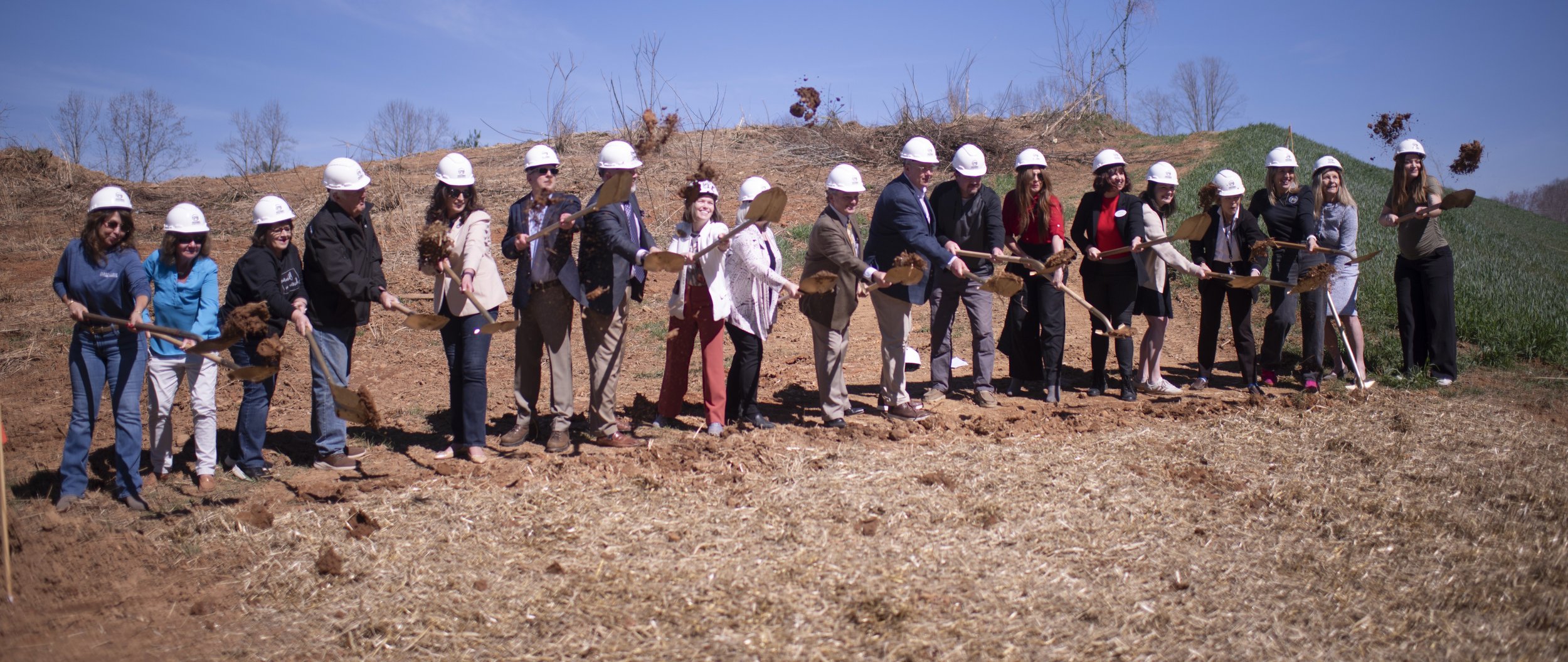
Self-Help Credit Union supports affordable housing efforts through innovative partnerships and flexible financing. | Credit: image courtesy of Self-Help Credit Union
Building and preserving affordable housing often requires multiple public, private, and philanthropic funding sources. Our financing is intentionally designed to fill critical gaps so that projects can keep moving forward.
In just over a year, the fund has deployed more than $18.5 million, supporting 270 affordable homes while building a pipeline of 28 additional projects requesting nearly $100 million in financing.
We're most proud of the partnerships we've built with local governments, nonprofit and for-profit developers, lenders, foundations, and state agencies. By providing flexible capital, we help communities leverage substantially larger investments than any one organization could provide alone.
Can you share a story that illustrates how your model works in practice? Perhaps a project, partnership, or investment that would not have happened otherwise.
Apple Ridge Apartments in Hendersonville illustrates our approach. Before Tropical Storm Helene, Henderson County needed 476 additional affordable rental homes by 2029. Following the storm, housing pressures only intensified.
The WNC Affordable Housing Loan Fund provided $2.2 million in construction-to-permanent financing to support 60 affordable apartments serving households earning 30% to 60% of Area Median Income, including childcare workers, school staff, healthcare support professionals, and hospitality workers. Our financing complemented philanthropic funding; funding from USDA, HOME, and NCHFA; Low-Income Housing Tax Credit equity; and local government investment — demonstrating how flexible gap financing can unlock projects that otherwise may not move forward.
Partnerships seem to be at the heart of much of what Self-Help does. Why are partnerships so important to your work, and how have they shaped your impact over time?
The WNC Affordable Housing Loan Fund exists because of partnership. It was launched through support from Dogwood Health Trust and has since grown with additional investments, including commitments from Truist and the City of Asheville, demonstrating broad confidence in this regional model.
The projects we finance bring together developers, lenders, local governments, philanthropy, and state and federal programs. Those partnerships allow every dollar invested through the fund to leverage significantly greater public and private investment while creating housing that communities urgently need.
What drew you to AFN, and what opportunities do you see for collaboration with other funders and partners across Appalachia?
Housing is connected to nearly every issue AFN members care about — economic development, workforce, healthcare, education, and community resilience. AFN provides an opportunity to learn from peers, share innovative financing strategies, and build partnerships that strengthen communities across Appalachia.
We also believe there is tremendous opportunity to expand blended capital models that combine philanthropy with mission-driven lending to increase the production and preservation of affordable housing throughout the region.
Looking ahead, what gives you hope? What opportunities or emerging trends are you most excited about in rural America and Appalachia right now?
We're encouraged by the growing recognition that housing is essential infrastructure. Communities across Appalachia are embracing creative partnerships and new financing tools that make affordable housing possible in places where traditional development often isn't financially feasible.
The momentum we've seen in just the first year of the WNC Affordable Housing Loan Fund shows what's possible when philanthropy, lenders, and local communities invest together.