
Member Spotlight: The Path Foundation
The PATH Foundation, a Virginia-based funder committed to strengthening the health and vitality of communities across Fauquier, Rappahannock, and Culpeper counties.
Trust is central to PATH’s approach, from multi-year and general operating support to free capacity-building services and shared community resources designed around what local nonprofits actually need.
That commitment also extends to the next generation. Now celebrating its tenth year, PATH’s paid summer internship program has connected 170 young people with meaningful roles at local nonprofits, helping them discover how their skills can serve their communities while bringing fresh energy and ideas to the organizations they support.
Although PATH’s grantmaking footprint does not extend into Appalachia, the Foundation joined AFN because its team believes deeply in learning across regions:
“We’d be excited to learn from other AFN members who are similarly exploring how philanthropy can strengthen nonprofit ecosystems, particularly in rural communities, and to share what we’ve learned about trust-based grantmaking, capacity building, and shared community resources.”
We asked them about their work, their growing impact-investing strategy, and what gives them hope for rural communities.
For members who may be unfamiliar with PATH Foundation, can you tell us about your history, mission and the communities you serve in Virginia’s Fauquier, Rappahannock, and Culpeper counties?
The PATH Foundation is a private philanthropic foundation that supports Fauquier, Rappahannock, and Culpeper counties in Virginia’s piedmont. Our mission is to strengthen the health and vitality of our community. We were formed in 2013 after the sale of Fauquier Health, our local nonprofit hospital, to a for-profit health system. Initially a joint venture, PATH redeemed our remaining ownership in 2018 to operate as an independent health conversion foundation. PATH invests in nonprofits and government agencies whose goals for wellness and community improvement align with our values. We approach this work in service of our friends and neighbors who are at the heart of our mission to create healthy places to live, work, play, and grow.
PATH Foundation supports a wide range of initiatives that strengthen communities across Virginia. What are some ways that PATH is working alongside other funders in the Commonwealth?
In 2020, our President & CEO Christy Connolly was one of a handful of philanthropic leaders that came together to establish the Virginia Funders Network (VFN). PATH Partnerships (our charitable affiliate) continues to serve as the fiscal agent for VFN, which is now over 135 member organizations strong. Not unlike the connections forged through groups like AFN, VFN and other philanthropic serving organizations have given us the platform to learn alongside like-minded funders with shared priorities.
PATH joined Claude Moore Charitable Foundation, Danville Regional Foundation, Harvest Foundation, Wellspring Foundation of Southwest Virginia, Ballad Health and Carilion Clinic to fund a health reporter at Cardinal News for three years, amplifying coverage in southwest and southside Virginia. More recently, PATH Partnerships has agreed to serve as fiscal sponsor for Press Forward Virginia, part of the nationwide philanthropic movement to revitalize and support local news.
What are some of the priorities or issue areas you're most excited about right now, and why?
This October will mark five years of Piedmont Smiles, a free community dental day that PATH supports annually in partnership with the Fauquier Free Clinic, the Virginia Dental Association Foundation, and faculty, residents, and students from the Virginia Commonwealth University School of Dentistry and Howard University College of Dentistry. In the past four years, we’ve had over 1,000 patient encounters and provided access to dental treatments valued at over $500,000 in donated care. I traveled to Wise County in July 2022 with Rob Marino, Executive Director of the Fauquier Free Clinic, to see the annual VDAF Mission of Mercy project in action. That trip and subsequent visits to Wise and Wytheville have informed our strategy and given us the tools to host an event that serves nearly 300 patients annually.
Our most recent strategic plan strengthened our focus on policy and advocacy activities. PATH is seeking opportunities to shape systemic change and champion health policies that positively impact our community and actively commissioning studies that inform policy decisions. Last year, we worked with a consultant to complete a childcare and after-school care needs assessment in our footprint. The results reinforced that we are facing a dearth of slots, we lack qualified workforce, and affordability is out of reach for many. We have shared those findings with policymakers in Richmond, staff leads for our Senators and Congressmen, and local government officials that have approached the Foundation with interest in piloting a multi-payer model. We recognize that grants alone won’t solve a childcare crisis, but we have the power to convene decisionmakers that can join us in dreaming up creative solutions to long-standing problems.
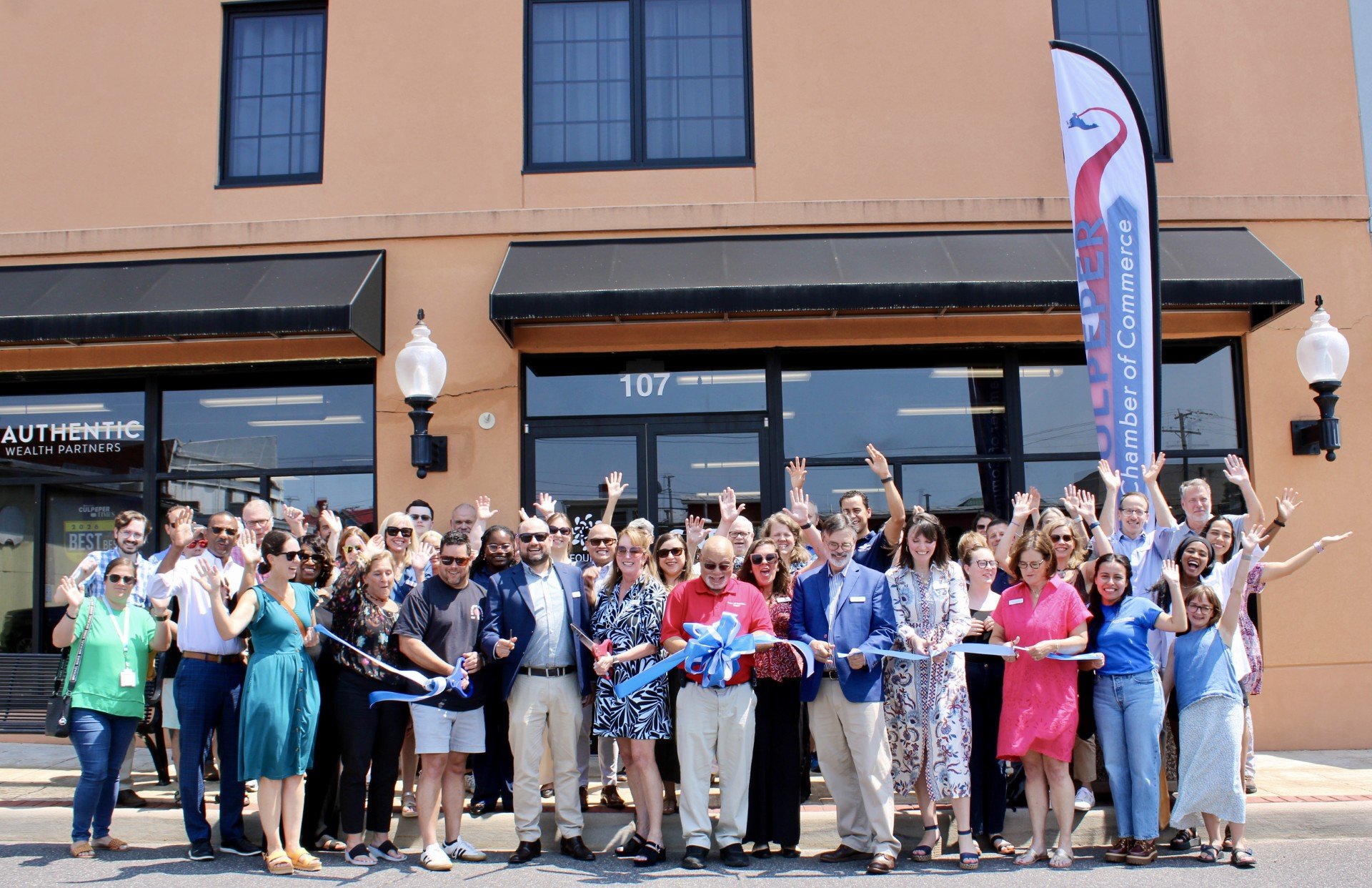
The PATH Foundation has been serving Fauquier, Rappahannock, and Culpeper counties in Virginia since 2013. | Credit: image courtesy of the PATH Foundation
Where do you think PATH Foundation has developed a unique perspective or strength? We'd love for other members to know what kinds of conversations you'd be excited to have with them.
We’ve leaned into trust-based philanthropic practices, including multi-year funding, biannual general operating grant opportunities, and access to capacity building services through the Center for Nonprofit Excellence (CNE) at no cost to nonprofits operating in our footprint. In addition to hosting a satellite office for CNE, the PATH Resource Center houses the PATH Volunteer Hub, which operates letsvolunteer.org – an online platform that connects local nonprofits and community members looking to volunteer their time; and PATH Community Link, a free and confidential call center and online database that connects individuals with services related to housing, transportation, healthcare, food relief, childcare, financial assistance, and more. In addition to these in-house programs, we provide nonprofit office space to backbone nonprofits and civic organizations that advance our mission.
We’d be excited to learn from other AFN members who are similarly exploring how philanthropy can strengthen nonprofit ecosystems, particularly in rural communities, and to share what we’ve learned about trust-based grantmaking, capacity building, and shared community resources.
This year marks a decade of PATH Foundation's internship program. How has the program evolved over the past ten years, and what impact has it had - both on the interns who have participated and on the way your organization approaches its work?
In ten years, we’ve hosted 170 young people passionate about their community. Our paid summer internship program has grown from an initial cohort of nine to annual classes of 20 students representing a wide range of academic disciplines and career interests. Each intern is paired with a local nonprofit that aligns with their academic and career goals – sometimes directly, like an aspiring grief counselor working at the adult day center; other times, it’s a business student with dreams of Wall Street that realizes how their skillset can benefit a childcare nonprofit seeking to develop their marketing strategy. Each week, we bring interns together for a full day deep dive into one of our core focus areas – for example, a conversation with staff about PATH’s investment in our access to health priority, highlighting affordable housing, food systems, and rural transportation initiatives; a presentation from 4P Foods, a food hub that PATH has invested in through a series of mission and program-related investments; and dedicated time to work on a summer-long group project. We invited our friend Ryan Eller to lead a workshop on civic engagement this year, which featured a mock town hall in which interns defended a proposal to develop a pocket park.
As our foundation has grown, so too has our investment in developing next-gen leaders. We have as many summer interns as we do staff, and they bring incredible energy for catalyzing change. They remind us about the power of organizing and collective action. Their contributions to PATH Foundation and our nonprofit community are vast, and their passion for service is a powerful reminder of why we do this work.
What do you hope other funders and partners across the region know about PATH Foundation, and where do you see opportunities to learn, collaborate, or work together in the future?
PATH has the ability to make significant commitments to the communities we serve with assets of approximately $300M and a catchment area of only three counties. Our strategic plan places emphasis on opportunities to grow PATH’s impact investing portfolio, prioritizing place-based investments that expand affordable housing, build pathways to health equity, and strengthen our local communities. We made our first program related investment in 2019 and have been on a learning journey ever since. As we continue to grow this work, we see tremendous value in learning from other AFN members who are deploying capital in rural communities and facing similar opportunities and challenges. We hope to share what we are learning along the way and bring new ideas and resources to our region.
Looking ahead, what gives you the greatest sense of optimism for Appalachia and rural communities? What opportunities or emerging trends in philanthropy and community development are you most excited to see unfold over the next few years?
The power and possibility of doing more, together. For rural communities, resources are often limited and solutions need to be tailored to place. We realize that systems change cannot be done in silos. Tools such as impact investing, cross-sector partnerships, and greater collaboration among funders have great potential. As folks working in the philanthropic sector, we have this incredible opportunity – and responsibility – to ensure our investments are justly serving our communities.