
Member Spotlight: The Whetstone Family Foundation
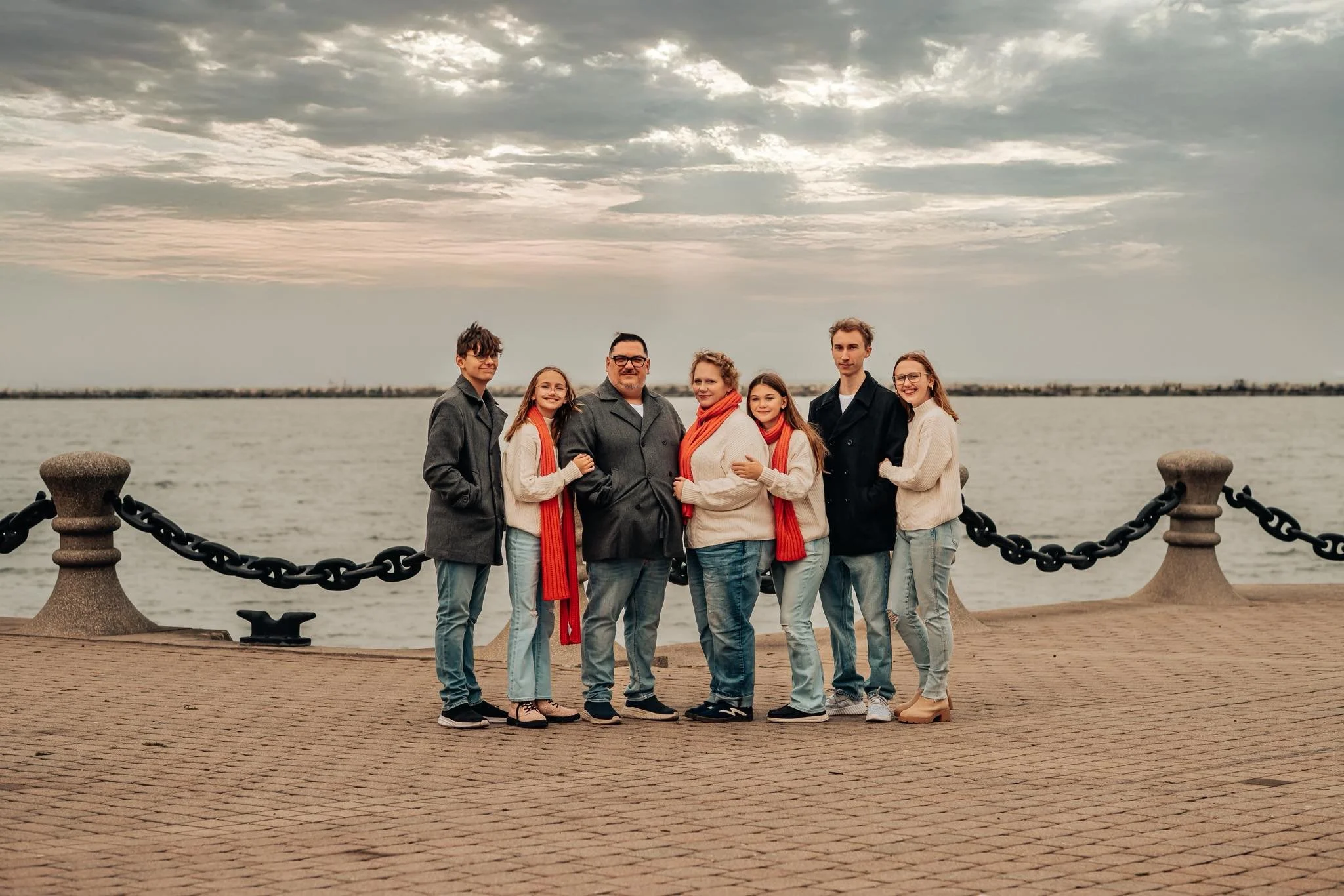
Tell us a little about your work and how the Foundation came to be. What is your mission?
Heather and I founded the Whetstone Family Foundation in 2023 out of a deep love for Appalachia and a belief that where someone grows up should never determine the size of their future. Through years of ministry, healthcare advocacy, nonprofit work, and community involvement, we saw firsthand how many talented young people in Appalachian Ohio were facing barriers to education, healthcare access, and opportunity.
The Foundation was created to advance Hope, Health, and Humanity across our region by investing in students, supporting educational initiatives, strengthening community partnerships, and creating opportunities for people who are often overlooked. At its core, the Foundation exists because we believe Appalachia is filled with extraordinary people who deserve the same opportunities and support as anyone else.
What recent accomplishment are you proud of that reflects your ongoing mission to enhance health equity across Ohio?
One of the accomplishments I’m most proud of is the continued growth of our scholarship and outreach efforts supporting students from Appalachian Ohio pursuing careers in healthcare, public health, education, and the arts. These students are the future leaders of our communities, and investing in them is one of the most meaningful ways we can improve long-term health equity in rural Ohio.
I’m also proud that the Foundation has been able to help elevate conversations around the unique challenges facing Appalachia — particularly around educational access, rural healthcare disparities, and the importance of investing directly into local communities rather than treating them as an afterthought.
What's been an "Aha" success moment for you?
Some of the most meaningful moments for me have come through working directly with students who are the first in their families to pursue higher education. We’ve had the privilege of helping students continue their education despite financial hardship and geographic barriers, and watching them grow in confidence and begin envisioning futures they once thought were out of reach has been incredibly rewarding.
What makes those moments especially powerful is that many of these students want to stay connected to Appalachia and give back to their communities. That ripple effect — helping one student who may later impact hundreds of others — is exactly why this work matters.
What types of partnerships or collaborations within Central Appalachia could amplify your current initiatives — where do you see the biggest gaps that funders could help fill?
I believe the biggest impact happens when education, healthcare, nonprofits, schools, faith communities, and local organizations work together instead of in silos. Partnerships with rural healthcare organizations, school districts, colleges and universities, arts programs, and community development groups could dramatically expand what organizations like ours are able to do.
Some of the biggest gaps I continue to see are transportation barriers, limited mentorship opportunities, shortages in rural healthcare workforce pipelines, and a lack of investment in arts and cultural initiatives. Appalachia is often rich in talent but under-resourced in opportunity. Funders have a tremendous opportunity to support sustainable, community-rooted programs that are led by people who truly understand the region.
What promising but under-resourced approaches in Ohio could make a transformative difference if funders stepped in now?
I believe there is enormous potential in programs that connect Appalachian students directly to careers in healthcare, public health, and community leadership. Mentorship programs, scholarships, internships, and early exposure opportunities can truly change the trajectory of both individual lives and entire communities.
I also think the arts are one of the most overlooked tools for transformation in Appalachia. Theater, music, storytelling, and creative education programs help build confidence, preserve cultural identity, and create hope — especially for young people. These programs are often underfunded despite having a profound long-term impact.
What is giving you hope?
What gives me the most hope is the resilience of Appalachian communities themselves. Every day I meet people who care deeply about their neighbors and are working hard to create a better future despite significant challenges. There is a quiet determination in Appalachia that I think is often misunderstood by the outside world.
I’m also encouraged that more organizations and funders are beginning to recognize the importance of listening to Appalachian voices directly. Real change happens when communities are treated as partners rather than projects, and I think we’re beginning to see more of that shift taking place.
How will being part of the Appalachia Funders Network support or strengthen your work — and where do you see AFN helping to amplify funders’ collective impact in the future?
Being part of the Appalachia Funders Network provides an opportunity to collaborate with organizations and leaders who understand both the challenges and the strengths of Appalachia. For smaller, community-rooted organizations like ours, those relationships and shared learning opportunities are incredibly valuable.
I also believe AFN has the ability to help amplify grassroots organizations that are deeply connected to their communities but may not always have access to larger funding networks or visibility. Appalachia does not need people speaking for it nearly as much as it needs people willing to listen to it, invest in it, and walk alongside it. I think AFN can play an important role in helping make that happen.
From conversation with Brent Whetstone